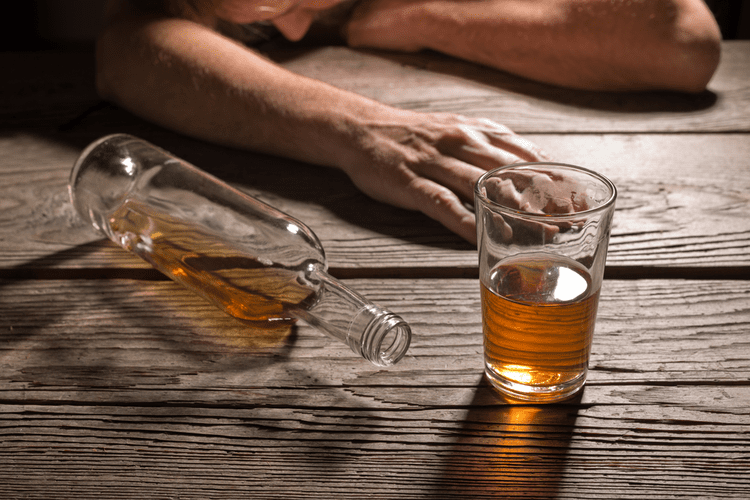
Teenage drinking, alcohol availability and pricing: a cross-sectional study of risk and protective factors for alcohol-related harms in school children Full Text
Content
In fact, alcohol is one of the most highly abused substances among youths in the United States. Some do it because they think it will help them survive pain, while others may feel pressure from their friends. A firm understanding of the science behind teenage drinking and brain development is helping to encourage adolescents to make better decisions about drinking and to give adults better tools to discourage risky behaviors. The Recovery Village aims to improve the quality of life for people struggling with substance use or mental health disorder with fact-based content about the nature of behavioral health conditions, treatment options and their related outcomes. We publish material that is researched, cited, edited and reviewed by licensed medical professionals. The information we provide is not intended to be a substitute for professional medical advice, diagnosis or treatment.
Newborns can’t see very far because their occipital lobe is still in development. The brain continues to grow throughout childhood, and a great deal of the rear part of the brain is fully developed by the time the child reaches adolescence. The sober house prefrontal cortex, however, is still developing at this stage, and goes through the most significant changes during the teenage years. This part of the brain is essential to responsible decision making, impulse control, planning, and judgement.
Top Alcohol and Teens Related Articles
Witnessing your child struggle with a drinking problem (also known as “alcohol use disorder”) can be as heartbreaking as it is frustrating. Your teen may be falling behind at school, disrupting family life, and even stealing money to finance their habit or getting into legal difficulties. Drinking problems affect families all over the world from every different background.
What does alcohol do to a 17 year old brain?
ADOLESCENTS ARE MORE SENSITIVE THAN ADULTS TO ALCOHOL'S MEMORY-IMPAIRING EFFECTS. Among its many effects on the brain and brain function—such as impairing balance, motor coordination, and decisionmaking—alcohol interferes with the drinker's ability to form memories (i.e., it is an amnestic agent).
When your teen abuses alcohol, it’s easy to judge yourself or negatively compare your family to others. With your guidance and support, your child can learn to resist the allure of underage drinking and develop a healthy, responsible relationship with alcohol when they reach adulthood. The retail price of each alcohol product type described on the questionnaire was collected from 29 off-licence venues. Sampling included supermarkets, off-licences and other licensed shops within the residential boundaries of the school sample. Therefore, in each outlet mystery shoppers were asked to identify the cheapest (cost per unit of alcohol) example of each product type and record the volume, price and alcohol content.
INTERVENTIONS
There are several actions that could trigger this block including submitting a certain word or phrase, a SQL command or malformed data. Teens who drink put themselves at risk for obvious problems with the law (it’s illegal; you can get arrested). Teens who drink are also more likely to get into fights and commit crimes than those who don’t. Fermentation is a process that uses yeast or bacteria to change the sugars in the food into alcohol. Fermentation is used to produce many necessary items — everything from cheese to medicines. Alcohol has different forms and can be used as a cleaner, an antiseptic, or a sedative.